


No.36, Fada Road, Taicang, Jiangsu
Views: 0 Author: Site Editor Publish Time: 2025-11-04 Origin: Site


Stable RV steps are essential for both safety and convenience, especially when entering and exiting an RV, camper, or trailer. Unstable or wobbly steps can pose a significant risk, particularly for individuals with mobility challenges or in high-traffic situations. Common issues contributing to instability include loose bolts, uneven parking surfaces, or damaged components like hinges or step supports. These problems can lead to accidents or inconvenience, making it important to address them promptly.
The goal of this article is to provide a clear, step-by-step guide for diagnosing and fixing the common causes of wobbly or unstable RV steps. By following these instructions, RV owners can restore the stability and safety of their steps, ensuring a smoother and more secure experience every time they use them.
To address wobbly or unstable RV steps, it's essential to identify the root cause. Here’s a guide to help diagnose the issue:
Loose bolts or fasteners are a common cause of instability. Over time, repeated use can cause bolts to loosen, leading to wobbling. Inspect all hardware securing the step to the RV. Tighten any loose bolts or fasteners with the appropriate tools. Regular checks can help prevent further issues.
The mounting brackets are critical for stability. Look for rust, corrosion, or damage that might affect their ability to hold the steps securely. If any brackets are compromised, replace or treat them with anti-corrosion products to maintain stability.
Uneven or unstable ground can contribute to wobbling. Ensure that the surface where the steps are placed is level and stable. If necessary, use leveling blocks to secure the steps on a solid foundation.
Check for visible wear on the steps, such as cracks, bent frames, or damaged hinges. Any sign of damage should be addressed immediately by repairing or replacing the affected parts to maintain safety and stability.
By inspecting these areas, you can pinpoint the cause of instability and take steps to fix it, ensuring that your RV steps remain safe and functional.
To fix unstable RV steps and restore their stability, here are step-by-step solutions you can follow:
Loose hardware is one of the most common causes of wobbly RV steps. Over time, vibrations from driving and frequent use can cause screws, bolts, and fasteners to loosen. Here’s how to address this:
Inspect all hardware: Start by visually checking the screws, bolts, and fasteners that secure the RV steps to the vehicle. Look for any that are visibly loose.
Tighten the fasteners: Using a wrench or screwdriver, tighten each bolt or screw securely. Be careful not to overtighten, as this could cause damage to the threads or the mounting surface.
Check for wear: If any fasteners are stripped or too worn, replace them with new ones of the correct size and material.
If tightening the hardware doesn’t resolve the instability, there could be damaged or worn-out parts. Common culprits include:
Brackets: Inspect the mounting brackets for any signs of rust, wear, or bending. If they are damaged, replace them with new ones that match the specifications for your RV model.
Hinges: Check the hinges for any visible signs of wear or cracking. A damaged hinge can cause the step to wobble. Replacing the hinges will restore proper function and stability.
Step Frame: If the step frame itself is bent or cracked, it may be beyond simple repair. In such cases, consider replacing the entire step assembly or the affected parts.
Sometimes, unstable steps result from an uneven installation. If the RV steps are not level, they may wobble or tilt when used. To fix this:
Check the step height: Make sure the step is at the correct height relative to the door and ground surface. If the height is off, you may need to adjust the mounting bracket to correct the position.
Level the steps: If the RV steps are installed in an area with uneven terrain or on a slanted surface, use leveling blocks or wedges underneath the step to create a level platform. This can reduce wobbling and improve stability.
Reinstall if needed: If necessary, remove the steps and reinstall them in a more stable position, ensuring they are level and properly aligned with the vehicle's entrance.
Friction between moving parts like hinges can also contribute to instability. Here’s how to fix this:
Clean the moving parts: Before applying lubricant, clean the hinges and other moving parts to remove dirt, grime, and debris.
Apply lubricant: Use a silicone-based lubricant or a light oil to grease the hinges and any other joints that move during operation. This reduces friction, helping the steps fold and deploy smoothly, and can prevent wobbling caused by stiff or dry moving parts.
Regular maintenance: Lubricate the moving parts regularly (every few months) to maintain smooth operation.
Misalignment of the RV steps can also lead to instability, especially when the steps are deployed. Here’s how to check and correct alignment:
Check deployment: When you extend the steps, observe their position. Are they evenly aligned with the door and vehicle surface? If they are skewed or leaning to one side, they may be misaligned.
Adjust the alignment: If the steps aren’t level or correctly positioned when deployed, adjust the mounting brackets or step frame to align them properly. This ensures the steps fold and unfold correctly, which will reduce wobbling and improve safety.
Test before use: After making adjustments, test the steps by deploying and folding them several times to ensure they function smoothly and are properly aligned.
By following these solutions, you can address the common causes of unstable RV steps and restore their safety and functionality. Regular inspection and maintenance are key to preventing further issues and ensuring a stable, secure step for easy access to your RV or camper.
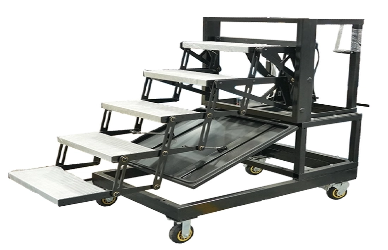
To ensure your RV steps remain stable, safe, and functional for years, regular maintenance and care are essential. Below are key preventative maintenance tips that can help you avoid issues like instability and extend the lifespan of your RV steps:
Routine checks are the most effective way to catch potential problems early. Inspect your RV steps regularly, especially before long trips. Look for:
Loose parts: Tighten any bolts, screws, or fasteners that may have loosened over time. Even a small amount of slack can lead to instability.
Wear and tear: Check the step surface, hinges, brackets, and frame for signs of wear, rust, or damage. If parts show visible signs of degradation, replace them promptly.
Alignment: Ensure the steps are properly aligned and deploy smoothly without wobbling. Misalignment can lead to further damage or safety concerns.
Metal parts of your RV steps, especially the frame and hardware, are exposed to weather and environmental elements. Over time, exposure to moisture, salt, or humidity can cause rust and corrosion. To prevent this:
Rust-resistant coatings: Apply a rust-resistant spray or protective coating to the metal parts of your RV steps. This creates a protective barrier that shields them from water damage and oxidation.
Regular touch-ups: Reapply the protective coating periodically, especially if you notice any peeling or wear. This ensures long-lasting protection against corrosion.
Exceeding the weight capacity of your RV steps can lead to unnecessary strain on the structure and cause instability or damage. To avoid this:
Know your step’s weight limit: Always check the manufacturer’s specifications for the maximum load capacity of your RV steps. Overloading can damage the hardware, frame, or hinges.
Distribute weight evenly: If multiple people are using the steps, make sure weight is distributed evenly to avoid stressing one side more than the other.
Consider weight capacity when adding accessories: If you’re adding additional gear or modifications to your RV, ensure they don’t impact the weight distribution or capacity of your steps.
Discuss the possibility of worn-out or damaged internal components, such as hinges or the frame, causing instability even when the hardware is properly tightened.
Explain how to check if the steps are aligned correctly, and what to look for to determine if they are out of place, such as uneven gaps or a crooked appearance when deployed.
Discuss the potential long-term effects of unstable steps on the RV’s frame and mounting points, which could lead to structural damage if not addressed.
Offer advice on when to repair and when to replace unstable RV steps. Explain that in some cases, replacement may be necessary if the steps are beyond repair or if the frame is damaged beyond the point of repair.
In conclusion, unstable RV steps can be caused by a variety of factors, including loose bolts, damaged parts, uneven installation, or wear and tear. It's essential to identify the issue early and address it by tightening hardware, replacing damaged components, adjusting the height or leveling, lubricating moving parts, and ensuring proper alignment. Regular maintenance is key to ensuring your RV steps remain safe and functional over time. By inspecting your steps frequently, using protective coatings to prevent rust, and avoiding overloading, you can significantly extend the life of your steps and prevent costly repairs. Prompt action in fixing unstable steps is crucial not only for maintaining the functionality of your RV but also for ensuring the safety of those using them. Taking care of your RV steps today can save you from bigger problems down the road.


