


No.36, Fada Road, Taicang, Jiangsu
Views: 0 Author: Site Editor Publish Time: 2026-08-03 Origin: Site


Operating mobile medical clinics or emergency command centers requires a delicate balance. The vehicle must navigate height-restricted urban infrastructure effortlessly. Upon deployment, it must also provide standing-height, operational headroom for staff. While standard camper shells solve the clearance issue, deploying consumer-grade fiberglass in mission-critical environments introduces massive structural and operational risks. Flimsy mechanisms can fail under pressure. This failure compromises expensive equipment and sensitive procedures. Specifying an RV Poptop Roof for Special Vehicles demands rigorous engineering evaluation. You must prioritize torsional stability, static payload capacities, and strict environmental sealing over mere aesthetics. In this article, we explore the stark realities separating recreational gear from commercial-grade solutions. You will learn how to evaluate lift mechanisms and understand payload metrics. We also provide actionable frameworks to help you select the right upfitter for your commercial fleet.
Consumer-grade poptops lack the load-bearing capacity required for command center antennas or medical HVAC units.
Structural stability directly impacts operational compliance, equipment calibration, and staff safety.
Evaluating the lift mechanism (actuators vs. gas struts) is critical for reliability in adverse weather.
Frame reinforcement during installation dictates the lifecycle cost and structural integrity of the base vehicle.
Consumer poptops serve a specific, low-stress purpose. Manufacturers design them for weekend leisure camping. They face occasional use, support minimal weight, and operate in fair weather. Commercial deployments present a completely different reality. Mobile command centers and medical clinics see daily activation. Crews deploy these vehicles in extreme weather zones. They carry heavy rooftop equipment. Expecting a recreational fiberglass shell to survive commercial duty cycles invites operational failure.
Consider the torsional rigidity gap. Converting a standard panel van into a poptop requires cutting the OEM roof bows. These steel cross-members provide vital stiffness to the vehicle chassis. Removing them weakens the unibody structure. Standard camper tops do not sufficiently bridge this structural gap. When you drive a compromised van over uneven disaster-response terrain, the chassis flexes. This torsional flex can misalign doors, damage interior cabinetry, and shatter specialized medical instruments. Commercial setups require engineered steel sub-frames to restore this lost rigidity.
Acoustic and thermal vulnerabilities also plague consumer models. Most standard poptops use thin canvas tenting. This material fails HIPAA privacy standards immediately. Canvas offers zero soundproofing for confidential medical consultations. Voices leak easily to the outside environment. Furthermore, canvas lacks thermal retention. Sensitive medical supplies and computer server racks require strictly controlled climates. Standard tents let cold air penetrate during winter and trap extreme heat during summer. Commercial units demand insulated solutions.
Common Mistake: Fleet managers often assume any poptop offers equivalent performance. Buying a recreational shell for a medical van leads to immediate compliance violations and frequent equipment breakdowns.
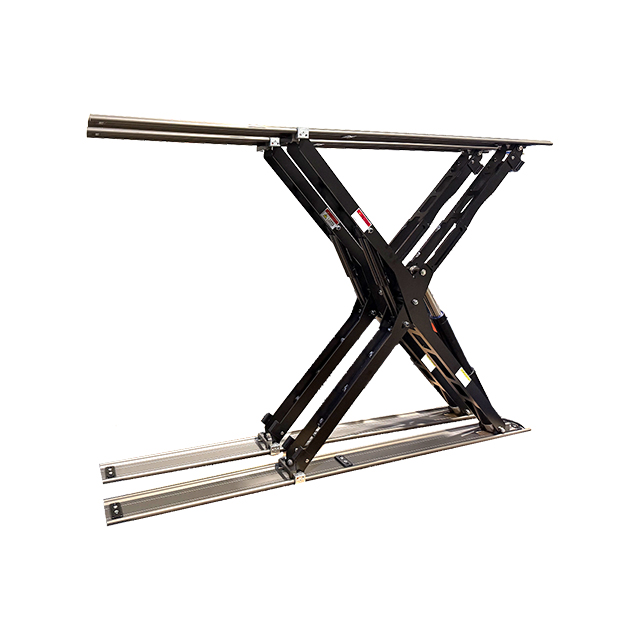
Evaluating an expanding roof requires analyzing its mechanical foundation. The lift mechanism dictates daily reliability. Many consumer roofs use pneumatic gas struts. Gas struts cost less and weigh less. However, they remain highly prone to failure in extreme cold. Low temperatures reduce internal gas pressure. This pressure drop prevents the roof from staying open. Heavy-duty electric or hydraulic scissor lifts provide the ultimate commercial alternative. They cost more upfront. Yet, they deliver consistent lifting force regardless of freezing temperatures or heavy snow accumulation.
Understanding weight ratings prevents structural collapse. You must differentiate between dynamic and static load capacities.
Dynamic Load: The actual weight the roof can safely lift during deployment. You must calculate this if you mount heavy solar arrays, AC units, or communications equipment directly to the shell.
Static Load: The maximum weight the roof can safely bear once fully extended and mechanically locked in place. Snow loads often test this limit severely.
Feature | Pneumatic Gas Struts | Electric/Hydraulic Scissor Lifts |
|---|---|---|
Climate Reliability | Poor in freezing temperatures | Excellent across all weather conditions |
Dynamic Payload | Very low (typically under 50 lbs) | High (often exceeding 200 lbs) |
Maintenance Needs | Frequent replacement of leaking struts | Periodic lubrication and fluid checks |
Best Application | Recreational camper vans | Command centers and medical clinics |
Wind shear deflection represents another crucial stability metric. High-altitude rescues or coastal disaster responses subject vehicles to intense lateral wind loads. A standard profile acts like a sail. Wind shear can bend flimsy hinges or tear canvas walls. Commercial shells utilize aerodynamic profiling. They feature reinforced hinges and heavy-duty locking pins. These engineering upgrades resist lateral deflection and keep the interior safe during severe storms.
Commercial operations require roof-mounted infrastructure. A mobile lab cannot function without proper climate control and connectivity. A commercial-grade RV Poptop Roof must support these heavy add-ons seamlessly. Satellite communication terminals weigh significantly. Heavy-duty AC units add massive top-heavy burdens. High-capacity solar arrays cover the entire surface area. The roof shell must integrate reinforced structural ribbing to prevent bowing under these localized loads.
Environmental sealing stands as a non-negotiable requirement. Dust and water ingress destroy delicate lab equipment. They also ruin server racks in command vehicles. You must mandate strict Ingress Protection (IP) ratings for the roof assembly. Specify marine-grade rubber seals around the entire perimeter. Consider hybrid designs over standard canvas. Insulated, rigid-wall poptops offer superior protection. They fold down efficiently but deploy into solid walls. These composite walls block dust, resist heavy rain, and provide exceptional security.
Workplace safety relies on regulatory compliance. OSHA sets strict guidelines for mobile workspaces. Operators must navigate the interior safely. Ensure the deployed roof provides adequate head clearance. Insufficient height creates dangerous trip and impact hazards. Furthermore, mandate fail-safe locking mechanisms. If hydraulic pressure drops unexpectedly, mechanical safety pins must engage instantly. This prevents the heavy roof from collapsing onto the medical staff working below.
Best Practice: Always request third-party IP rating certifications. Never rely on verbal guarantees regarding waterproof performance when outfitting a mobile laboratory.
Fleet managers face a distinct choice during procurement. Do you specify a poptop modification or purchase a fixed high-roof commercial step-van? Both paths carry different implementation risks. A cost-benefit analysis reveals key operational tradeoffs. A poptop grants incredible clearance flexibility. You can park it in standard hospital garages. You can navigate low-hanging urban bridges easily. However, this flexibility demands higher maintenance overhead. Fixed high-roof vans eliminate moving parts. Yet, they restrict deployment locations severely due to their permanent height.
Frame reinforcement realities dictate the success of any retrofit. We already noted the danger of removing OEM roof bows. Proper engineering requires installing heavy steel sub-frames along the vehicle ceiling. These frames distribute the roof's weight evenly across the pillars. Skipping this step risks catastrophic chassis failure. Furthermore, you risk voiding the OEM chassis warranty. Only partner with certified master upfitters. They follow approved structural guidelines to protect your vehicle investment.
You must transparently address lifecycle maintenance. Any moving architectural element requires preventative care. You cannot install a complex lift system and ignore it. Hydraulic actuators require fluid checks and calibration. Operators must lubricate scissor hinges quarterly. Technicians must inspect marine-grade seals for UV degradation and dry rot. Establish a strict preventative schedule. Ignoring maintenance leads to jammed roofs and failed deployments during critical emergency events.
Choosing the right vendor determines your project's success. Avoid companies catering solely to the "van life" consumer market. You need documented evidence of commercial expertise. Look for vendors who publish detailed engineering schematics. Demand to see verified load-testing data. Lifestyle photos of vans near the beach prove nothing about structural integrity. Your upfitter must understand shear stress, payload distribution, and specialized commercial wiring.
Scrutinize warranty and service SLAs carefully. Recreational warranties often cover limited timeframes. They expressly exclude commercial use. Require commercial warranties covering specific duty cycles. A duty cycle warranty guarantees the mechanism for a set number of lifts, regardless of the timeline. Ensure the SLA guarantees rapid parts replacement. A broken command vehicle cannot sit in a repair shop for three months waiting for proprietary hinges.
Follow a strict procurement checklist before signing any contracts. Use this framework to protect your organization:
Request stress-test data for wind and snow loads.
Verify maximum dynamic lift payload.
Confirm compatibility with your specific vehicle chassis and interior layout requirements.
Evaluating compatibility matters immensely. The reinforcement sub-frame might interfere with your planned interior cabinets. Wiring paths for rooftop AC units must integrate cleanly into the walls. Discuss the entire interior layout with your upfitter before finalizing the roof specifications.
Selecting an expanding roof system for special vehicles requires strict engineering scrutiny. You cannot treat this component as a simple aesthetic add-on. Proper stability ensures medical teams and command staff operate safely in unpredictable environments. Remember to evaluate torsional rigidity, demand heavy-duty lift mechanisms, and prioritize rigid-wall environmental sealing. Following these principles protects your staff and secures your expensive rooftop equipment.
Your next step requires proactive outreach. Do not buy fleet vehicles assuming they can accept any aftermarket roof. Consult with a specialized commercial upfitter immediately. Conduct a thorough payload and clearance audit based on your specific operational needs. Finalize these engineering constraints before processing your base vehicle procurement.
A: Yes, provided the poptop features reinforced structural ribbing and a heavy-duty hydraulic or electric lift system rated for the specific dynamic load of the AC unit.
A: Modifying the roof structure can void OEM warranties if not installed by a certified master upfitter who utilizes approved frame-reinforcement techniques. Commercial insurance may require engineering sign-offs.
A: Rigid-wall (or hybrid composite) poptops offer superior acoustic privacy, better climate control, and higher security, making them vastly preferable for medical and tactical applications over traditional canvas.


