


No.36, Fada Road, Taicang, Jiangsu
Views: 0 Author: Site Editor Publish Time: 2026-05-27 Origin: Site


Poptop roof leaks frustrate campervan owners worldwide. They remain one of the highest drivers of warranty claims today. Negative end-user sentiment quickly spreads across the RV market. Traditional weatherstripping fails to solve this persistent problem. Relying solely on canvas treatments leaves electro-mechanical components severely exposed. Actuators and lifting columns need serious protection against the elements. The industry is now experiencing a massive quality shift. Moving from vague weather-resistant labels to certifiable IP67 waterproofing is baseline. Premium OEM builds demand genuine structural and lifting protection. This shift requires rigorous standards across the entire manufacturing process. We want to provide procurement and engineering teams a solid evaluation framework. You will learn how to verify and integrate these critical systems. We will show you how to spot inflated vendor claims quickly. You will discover exactly what an OEM must check to guarantee performance. This ensures you build reliable campervans capable of handling extreme weather.
Component vs. System Integration: An IP67 rating on a lifting motor is useless if the roof’s structural drainage channels fail under dynamic load.
Actuator Vulnerability: The highest risk of failure lies in the electro-mechanical lifting components; specifying an IP67 waterproof vertical lifting mechanism for RVs is non-negotiable for automated systems.
Validation Over Promises: Procurement must demand third-party ingress protection certifications, salt-spray test data, and lifecycle testing reports under simulated storm conditions.
Assembly Tolerances: Proper OEM factory integration dictates the final waterproof integrity; tolerance stacking can compromise even the best seals.
Warranty drain harms manufacturer profitability directly. Post-sale water damage claims cost companies thousands per unit. Interior trim replacement eats into already tight margins. Dealerships spend hours diagnosing hidden electrical shorts. Water ingress damages sensitive control boards. Mold remediation creates massive financial liabilities for OEMs. Buyers notice when brands cut production corners. You cannot ignore the financial hemorrhage caused by bad seals.
Owner community forums heavily index on poptop mechanism failures. Water intrusion ruins the campervan lifestyle experience immediately. Consumers share their frustrations online very quickly. Reliability serves as a primary competitive differentiator today. Poor reviews destroy brand equity faster than ever before. Your engineering choices dictate the Voice of the Customer (VoC). Positive VoC drives future sales and dealer network trust.
You must distinguish between static and dynamic failures. Static leaks occur when the roof sits securely stowed. These often stem from simple gasket degradation or poor compression. Dynamic failures happen during deployment or high-speed travel. They frequently relate to lifting column exposure. Actuators face driving rain at highway speeds. Moisture seeps into poorly protected housing structures. Understanding these distinct failure modes helps engineers design better mitigation strategies.
Trim and Headliner Replacement: Labor-intensive repairs require tearing down interior cabins completely.
Electrical Component Failure: Water corrodes wiring harnesses and destroys proprietary circuit boards.
Structural Rot: Prolonged moisture exposure delaminates composite roof panels over time.
Brand Defection: Frustrated owners switch to competitor vehicles for their next purchase.
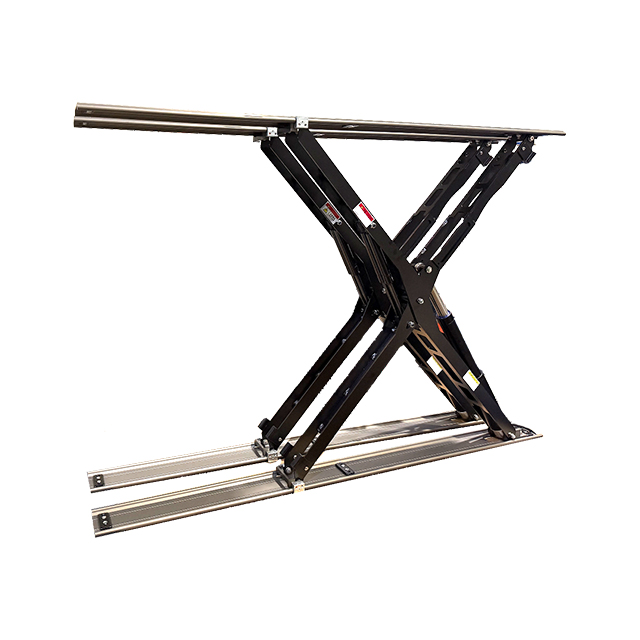
Evaluating a Pop Up Roof Mechanism requires understanding standardized ingress protection. The IP67 rating provides a strict scientific benchmark. The number "6" indicates complete protection against fine dust. Dust cannot enter the enclosure under any circumstances. The number "7" guarantees protection against temporary water immersion. The component survives underwater up to one meter deep. This immersion test lasts for thirty consecutive minutes. It proves the enclosure can withstand intense hydrostatic pressure.
These immersion ratings matter deeply for real-world RV applications. Water naturally pools on top of fiberglass roof shells. Heavy storms create temporary standing water around mechanical joints. Driving at highway speeds forces rain into tiny crevices. This scenario mimics high-pressure water intrusion perfectly. A simple splash rating will fail under these driving conditions. IP67 ensures your motorized lifts survive these brutal environments.
Many suppliers trap buyers using vague marketing terminology. They use terms like splash-proof or highly weather-resistant. These labels mean absolutely nothing in engineering contexts. You must warn your procurement teams against accepting these phrases. Demand standardized IEC 60529 test documentation from every vendor. Legitimate suppliers will gladly hand over their laboratory test results. Missing documentation signals a high risk of future field failures.
Chart: IP Ratings Comparison for RV Components | |||
IP Rating | Dust Protection Level | Water Protection Level | Suitability for RV Poptop Motors |
|---|---|---|---|
IP65 | Dust-tight (No ingress) | Low-pressure water jets | Inadequate for highway driving rain |
IP66 | Dust-tight (No ingress) | High-pressure water jets | Acceptable, but risks pooling damage |
IP67 | Dust-tight (No ingress) | Immersion up to 1 meter (30 mins) | Ideal for premium OEM builds |
Evaluating a Waterproof RV Poptop Roof requires analyzing physical material properties. Seal compression and memory dictate long-term performance. You must scrutinize the EPDM or silicone gaskets used. Do they maintain their shape after repeated open-close cycles? Extreme temperature variations destroy cheap rubber quickly. Freezing nights and direct UV exposure harden substandard seals. Gaskets must rebound to their original thickness instantly. Permanent deformation guarantees a leak during the next storm.
Drainage architecture plays a massive role in system survival. You must assess the integration of water management channels. Does the system rely entirely on rubber seals alone? Passive systems fail when seals inevitably age. The roof must actively route pooled water away. Good designs feature integrated scuppers and hidden drainage tubes. They direct moisture safely down the vehicle chassis. This active routing protects the lifting mechanism from standing water.
Electrical safety requires rigorous connector security protocols. Lifting mechanisms rely on complex wiring harnesses to function. Junction boxes and pass-throughs remain highly vulnerable. Ensure all electrical associations feature marine-grade enclosures. You must specify IP-rated connectors for every single joint. Shrink-wrapped connections do not survive structural flexing over time. Proper locking connectors prevent moisture from wicking up the wires.
Inspect EPDM seal durometer ratings for optimal flexibility.
Verify UV stabilization treatments on all exposed rubber extrusions.
Test drainage channels by simulating heavy rainfall on the prototype.
Audit all wiring harnesses for proper IP67 connector housings.
Check pass-through grommets for tight chassis tolerances.
Actuators fail because water easily penetrates standard linear designs. Moisture breaches the outer casing during heavy storms. This ingress corrodes internal metallic sensors rapidly. The hall-effect sensors short circuit and send faulty signals. The motor eventually seizes due to internal rust build-up. The end user gets stuck camping. Specifying an IP67 Waterproof Vertical Lifting Mechanism for RVs prevents this disaster entirely.
Procurement must enforce strict vendor testing requirements before purchasing. You must request specific documentation during the shortlisting phase. Do not accept internal company test results blindly. You need independent, third-party laboratory certifications.
Independent IP67 Certification: Demand official reports for all actuators and motors validating the IEC 60529 standard.
Salt Spray Testing: Request ASTM B117 test data to verify corrosion resistance on the lifting columns.
Wet-Condition Cycle Testing: Require reports simulating thousands of open and close operations in artificial rain.
Material specifications separate premium mechanisms from cheap alternatives. You must look for heavily anodized aluminum extrusions. Hardware should consist of marine-grade stainless steel like 304 or 316. Coated zinc hardware rusts quickly near coastal environments. The internal gearbox design must remain completely sealed. Double O-ring designs offer superior protection for the motor shaft. These specific materials guarantee the unit survives harsh outdoor realities.
Table: Essential Material Specifications for Lifting Columns | ||
Component | Acceptable Material / Standard | Why It Matters |
|---|---|---|
Outer Housing | Anodized Aluminum (Minimum 15 microns) | Prevents pitting and surface oxidation from salt air. |
Exposed Fasteners | Stainless Steel 316 (Marine Grade) | Stops rust streaks and catastrophic sheer failures. |
Internal Seals | Fluorocarbon (FKM) or High-Grade EPDM | Resists thermal breakdown and maintains memory. |
Motor Enclosure | Welded or Double O-Ring Sealed | Blocks micro-moisture ingress under high pressure. |
Tolerance stacking ruins perfect engineering plans frequently. Minor deviations happen constantly in campervan chassis production. Fiberglass roof shells rarely pop out of molds perfectly straight. These tiny millimeter variations add up during final assembly. This stacking alters the closing pressure across the roof. Uneven pressure voids the effectiveness of premium seals entirely. Engineers must design mechanisms capable of compensating for these deviations.
Installation standard operating procedures dictate your final success. The factory floor needs incredibly precise guidelines. Workers must apply specific torque settings to every mounting bolt. Over-tightening crushes gaskets and ruins their rebound memory forever. Under-tightening leaves microscopic gaps for water to enter. You must utilize specialized marine sealants during mechanism installation. Primer adhesion promoters ensure these sealants bond to fiberglass correctly. Regular factory audits keep these procedures strictly enforced.
Engineers must balance total weight against closing force carefully. Customized roofs carry extra burdens like solar panels. Roof racks and storage boxes add significant downward mass. The lifting mechanism must handle this weight during deployment. It must also pull the roof down tightly upon closing. It needs enough force to compress the waterproof gaskets fully. Insufficient closing force leads to wind-driven rain penetration. You must calibrate the motor limits to account for accessories.
Transitioning to a verified IP67 system changes your manufacturing trajectory. It requires rigorous vendor vetting and strict factory integration protocols. You must move away from suppliers selling cheap, unprotected actuators. Genuine waterproof systems protect your brand reputation and bottom line. They eliminate the constant headache of warranty-driven interior repairs. They deliver the premium experience modern RV buyers demand.
Your procurement teams should take immediate, decisive action. Request highly detailed CAD models for deep tolerance analysis upfront. Order physical sample units to run inside your environmental chambers. Demand verifiable IP certification documents before finalizing any supplier contracts. Reject any vendor failing to produce legitimate salt spray test data. Implementing these steps guarantees a truly waterproof poptop roof system.
A: Rarely. True IP67 protection requires factory-sealed enclosures, specific internal component tolerances, and integrated drainage. These elements cannot be effectively retrofitted with aftermarket sealants. Attempting to seal a non-rated motor often traps condensation inside the housing. This trapped moisture accelerates internal corrosion. You must specify IP67 components during the initial OEM build.
A: OEM specifications should demand premium materials. High-grade EPDM or silicone seals should rate for 7 to 10 years. They must survive harsh UV exposure and continuous thermal cycling. Significant degradation should not occur before this timeframe. This lifespan assumes the end-user performs standard preventative maintenance like applying rubber conditioners.
A: No. The IP67 rating strictly applies to the electro-mechanical lifting components and metal hardware. It protects the motors and actuators. OEMs must separately validate the canvas materials. You must verify the hydrostatic head rating of the textile. You also need to test the factory seam-sealing process thoroughly.


