


No.36, Fada Road, Taicang, Jiangsu
Views: 0 Author: Site Editor Publish Time: 2026-05-19 Origin: Site


Cutting into a van’s structural steel carries extremely high stakes. Choosing the right roof lift system dictates your interior layout and overhead headspace. It also directly defines your payload limits and long-term weather resilience. The camper van industry currently shifts away from traditional pneumatic gas struts. Builders increasingly favor automated systems to lift heavier modern roof setups. However, this technical upgrade introduces new engineering variables to consider. You must properly account for motor synchronization and uneven payload distribution.
Our comprehensive guide provides an evidence-based comparison of manual and automated systems. We help van builders safely navigate varying weight capacities and complex installation risks. You will learn how to protect your custom vehicle from expensive structural damage. We explore how different lift options perform under real-world mechanical stress. Read on to discover which system truly fits your remote adventure needs.
Payload Rules the Decision: Manual systems struggle with heavy, uneven loads (like solar arrays), whereas electric systems can handle them—provided they use synchronization controllers to prevent structural racking.
Reliability Trade-offs: Manual gas struts are prone to nitrogen leaks and temperature sensitivity; electric systems require robust waterproofing and a reliable manual override in case of power failure.
Installation Complexity: Retrofitting any poptop compromises structural rigidity. Electric systems demand advanced wiring, dual water-testing, and exact actuator alignment, often pushing them out of the realm of basic DIY.
We must establish a baseline mechanical understanding before making complex build decisions. Choosing the correct Pop Up Roof Mechanism sets the functional foundation for your entire camper van.
How they work: Manual tops rely on high-pressure nitrogen cylinders. These pneumatic cylinders assist the upward push when you unlatch the top.
The Reality: You face significant physical exertion to pull the top down against the internal strut pressure. You will find it nearly impossible to pause the roof mid-travel. These systems are highly vulnerable to fast-opening jerks. Sudden upward movements can easily pinch or tear expensive canvas tent materials.
How they work: Automated options utilize heavy-duty 12V micro-motors. These motors turn internal lead screws to produce smooth, controlled linear motion.
The Reality: You gain seamless one-touch operation and highly precise stopping points. The integrated load management handles heavy lifting safely for you. It entirely eliminates the daily physical strain of closing a heavy camper roof.
Feature Comparison | Manual Gas Struts | Electric Linear Actuators |
|---|---|---|
Primary Power Source | High-pressure nitrogen gas | 12V vehicle electrical system |
Operation Method | Physical push and pull | Push-button remote control |
Travel Control | Only fully open or fully closed | Can pause at any desired height |
Canvas Pinch Risk | High (due to sudden fast jerks) | Low (due to smooth, even travel) |
Van builders rarely leave their exterior roofs empty anymore. Modern off-grid camping demands substantial electrical power and comfort. You often add heavy solar panel arrays. You install bulky roof racks. You might even mount heavy rooftop air conditioning units. These additions create drastically uneven weight distribution across the shell. You might load 100 pounds near the rear and only 20 pounds up front. Manual struts cannot dynamically adapt to this uneven weight. One side becomes much harder to lift physically. The entire roof structure becomes highly prone to sagging over time.
Synchronization is non-negotiable: You face severe mechanical risks without proper motor control. Assume you install four independent linear actuators. They lift a rigid roof made of fiberglass or aluminum. The heavier rear side causes those motors to strain and slow down. The lighter front side rises quickly. The rigid roof shell twists diagonally across its axis. Engineers call this destructive phenomenon "racking". Racking destroys expensive weather seals permanently. It bends structural aluminum hinges. It micro-cracks fiberglass shells. You must prevent this twist.
What to look for: Smart motor synchronization completely solves this uneven load problem. You must evaluate electric systems carefully before purchasing. Look for models utilizing integrated Hall Effect sensors. These internal sensors constantly count motor shaft rotations. They send precise position data to a central synchronization controller. The FCB-1 controller acts as the operational brain. It monitors all four corners simultaneously. If one corner lags, the controller actively slows the other three motors. It matches their speeds perfectly to ensure zero drift. The roof remains perfectly level during the entire lift cycle.
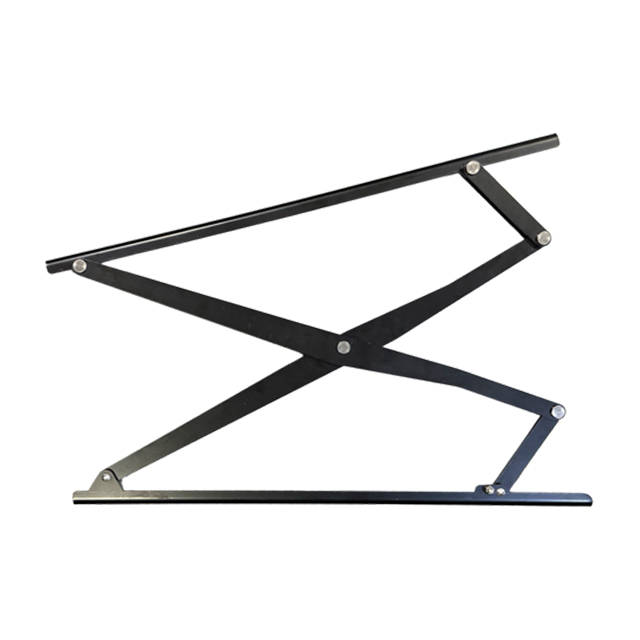
Gas leaks represent the biggest long-term threat to manual setups. Rubber internal seals degrade over time. They also fluctuate rapidly in different weather temperatures. This degradation inevitably leads to sudden strut failure. Cold weather performance also suffers greatly. Pneumatic struts lose internal pressure in freezing winter temperatures. You will need significant manual force to push the top open during snowstorms.
Water Ingress: Exterior actuators constantly face harsh outdoor weather elements. Proper procurement requires validating minimum IP66 or IP67 waterproof ratings. IP66 protects against heavy water jets during driving. IP67 allows temporary water submersion. You must also ensure fully waterproof wiring harnesses exist throughout the build.
Electrical Failure: A dead van house battery traps your roof. Blown electrical fuses also prevent the lift motors from operating.
The Failsafe: Any viable electric system must include a mechanical disconnect. You should look for removable quick-release pins on the actuator mounts. These metal pins allow safe manual lowering during emergency power losses. You simply pull the pins and pull the roof down.
Cutting the steel roof removes essential factory structural cross-members. High-quality professional kits include heavy-duty steel reinforcement frames. These internal frames restore vital rollover safety to the van chassis. They help ensure strict FMVSS 216a compliance for roof crush resistance.
DIY Warning: You should entirely avoid reusing old tops from salvage yards. Attempting to patch or weld dozens of existing bolt holes usually fails. It often leads to irreversible water ingress and hidden metal rust. Cutting van steel requires exact precision.
We break down the financial reality of these hardware upgrades below.
Manual/Soft-Shell Kits: These systems typically range from $5,000 to $10,000. They work best for tight budget builds and lightweight bare roofs.
Electric/Hard-Shell Kits: These advanced systems range from $12,000 to over $25,000. This price usually includes professional labor and painting.
Hidden Costs: Added physical weight always introduces new suspension expenses. You add 150 to 400 lbs to your van's highest point. This heavy top weight often necessitates expensive suspension leaf-spring upgrades. You will also need regular tire pressure adjustments regardless of the lift mechanism chosen.
We developed a simple framework to guide your final purchase choice. Upgrading to a new RV Poptop Roof demands careful lifestyle planning.
Choose a Manual Poptop if:
You are building your camper on a strict budget under $10,000.
The roof shell will remain lightweight without custom racks or solar.
You prefer basic mechanical simplicity over modern automation.
You feel comfortable exerting daily physical force during camp setups.
Choose an Electric Poptop if:
You plan to mount extensive solar arrays or cargo boxes.
Accessibility remains a high priority for your daily travel.
You want effortless single-person operation completed in under two minutes.
You are investing in a high-resale-value professional van conversion.
You require highly precise climate and canvas ventilation control.
The camper van industry clearly shifts toward electric linear actuators. They offer the necessary lifting capacity to handle modern, heavy build weights. You can now safely mount comprehensive solar gear without sacrificing daily usability. However, the success of any electric setup relies entirely on proper engineering. You need flawless motor synchronization to prevent structural racking. You also need robust waterproof redundancy for all external components.
We strongly advise builders to prioritize comprehensive warranties before purchasing a kit. Ask vendors directly about their specific water-testing installation protocols. Always demand a reliable manual quick-release override for your lifting mechanism. Check the IP ratings on all supplied wiring harnesses. Follow these exact steps to ensure years of trouble-free remote camping adventures.
A: Most manufacturers recommend lowering the roof if wind speeds exceed 35 mph. While some commercial actuators are rated for up to 50 mph (80 km/h), the canvas and hinges are the primary failure points.
A: Standard troubleshooting involves resetting the controller or pulling specific fuses. If motors are dead, reputable systems feature quick-release pins that disconnect the actuators, allowing you to manually pull the roof down and secure it.
A: A low-profile poptop adds roughly 4 to 6 inches to the van's total height, allowing most vans to still pass under standard drive-throughs and qualify for standard ferry rates. The aerodynamic profile is far superior to fixed high-roof vans, preserving better fuel economy.
A: Yes, but it requires engineering structural mounting points for the linear actuators and routing waterproof wiring. A synchronized controller must be installed to ensure the new motors do not damage the existing roof shell.


