


No.36, Fada Road, Taicang, Jiangsu
Views: 0 Author: Site Editor Publish Time: 2026-05-11 Origin: Site


For OEM builders and premium custom conversion clients, integrating an RV Poptop Roof represents the highest-stakes structural modification made to a base vehicle. Poor selection leads to catastrophic outcomes. It can compromise chassis integrity. It can sever hidden wire harnesses. It creates severe center-of-gravity hazards. Furthermore, uncertified structural modifications frequently void valuable factory powertrain and chassis warranties.
Our goal is to provide a vendor-neutral, engineering-focused framework. We want to help you evaluate roof systems based on strict structural compliance. You must also consider mechanism durability and true integration cost. We will avoid superficial comparisons. Instead, we focus on the core engineering elements defining a safe, long-lasting installation. By following this guide, you can confidently navigate chassis limitations. You will specify systems elevating both user experience and resale value.
Structural safety mandates selecting systems with recognized certifications (e.g., TÜV, M1 crash testing).
Base vehicle architecture dictates the installation method; a Ford Transit requires different structural reinforcement than a Mercedes Sprinter or VW Transporter.
The true cost of a poptop extends beyond the hardware, often requiring $1,000–$3,000 in suspension upgrades to handle the 150–400 lb weight increase.
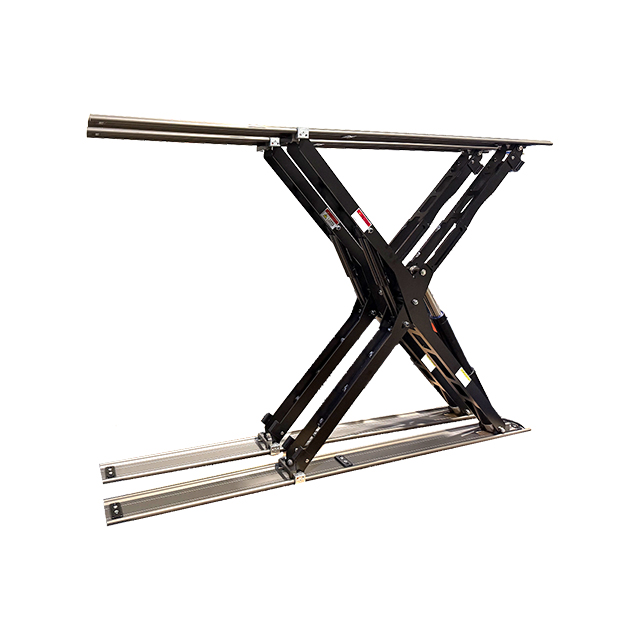
Evaluating the **pop up roof mechanism** (gas struts vs. hydraulic, clamshell vs. vertical) directly determines the spatial layout and climate control strategy of the build.
Choosing the right architecture defines your camper van interior. It establishes sleeping capacity. It dictates aerodynamic performance on the highway. We primarily evaluate systems by looking at lift dynamics, actuation types, and material specifications.
Roof systems generally follow two distinct lift geometries. Each serves a very different end-user profile.
Clamshell (Angled): This represents the industry standard. It hinges at one end, usually the rear. It maintains a highly aerodynamic, lower profile. It remains the best choice for sleeping-only upper configurations. You get ample headroom at the open end. However, foot room stays restricted at the hinge point.
Vertical Lift: This geometry lifts the entire roof straight up. It provides uniform standing height from front to back. It offers maximum cubic volume. However, it requires a heavier footprint. The square shape also increases wind resistance significantly during high winds.
Feature | Clamshell Lift | Vertical Lift |
|---|---|---|
Aerodynamics | Excellent; slices through wind efficiently. | Poor; flat sides catch strong crosswinds. |
Internal Volume | Sloped ceiling restricts rear standing space. | Uniform standing height everywhere. |
Mechanical Complexity | Low; simple hinge and dual strut design. | High; requires synchronized lifting points. |
Actuation determines how users interact with the roof daily. It relies heavily on the Pop Up Roof Mechanism chosen by the manufacturer.
Standard gas-assisted struts offer immense reliability. They boast a very low failure rate. They require manual operation. Users simply unlatch the roof and push upward. The gas struts handle the remaining weight. Conversely, hydraulic or electric systems offer a premium OEM feel. Users press a button to raise the roof. They feel luxurious. Unfortunately, they introduce higher maintenance complexity. If an electric actuator fails off-grid, lowering the roof manually becomes a highly stressful ordeal.
Roof shell materials dictate longevity. They endure constant UV bombardment and physical impacts.
Evaluate Glass Reinforced Plastic (GRP): High-end manufacturers use GRP over traditional fiberglass. It offers superior durability. It resists cracking better during off-road torsion.
Analyze Gel-Coat Coloring: Demand gel-coat color matching over simple automotive paint. Gel-coats bond chemically to the GRP shell. They prevent long-term peeling. Painted fiberglass often chips, revealing white layers underneath.
Check Thermal Properties: Premium shells integrate closed-cell foam cores. They prevent condensation from forming directly above the sleeping area.
The installation method fundamentally alters vehicle structure. OEM builders must decide how deeply they wish to intervene in the factory chassis.
This method involves entirely removing the factory roof panel. Builders drill out hundreds of factory spot welds. They lift the entire metal sheet away. This approach offers maximum interior space. It allows for the best possible insulation integration. However, it requires the highest engineering commitment. It causes irreversible structural alteration. You cannot easily return the van to its original cargo state. It demands immense skill to maintain body squareness during cutting.
The partial cut retains the outer perimeter of the factory roof. Builders only remove a center rectangular section. This method proves highly cost-effective. It maintains much more original structural rigidity. The steel perimeter continues tying the van pillars together. Unfortunately, it limits the access portal size. Users must climb through a narrower opening to reach the upper bed.
Cutting away roof steel removes vital shear strength. You must replace this strength immediately.
We highly recommend highlighting systems shipping with proprietary GFK strengthening frames. Several premium European models utilize these. They eliminate the need for custom steel fabrication. Installers bond and rivet these frames directly to the remaining roof perimeter. They effectively mitigate the risk of chassis flex. A rigid frame prevents the side sliding doors from binding after installation.
You cannot simply bolt a generic roof onto any van. Each commercial vehicle features unique crash structures. Ignoring these differences invites disaster.
Detail exactly why roof systems are not universal. Different vans carry different structural DNA.
For example, a Ford Transit features a complex upper load-bearing skeleton. Cutting a Transit roof requires heavy-duty support beam intervention. You must bridge cut structural bows with thick steel. Conversely, the VW T6 features a relatively straightforward roof profile. Manufacturers design specific integration kits tailored strictly to one chassis. Attempting to adapt a Sprinter roof to a Promaster chassis destroys structural integrity.
We must emphasize the non-negotiable need for certification. Look for TÜV approval or ISO compliance. Untested roofs severely compromise vehicle rollover safety.
TÜV certification confirms the roof frame replaces the exact strength removed during cutting. M1 crash testing ensures the upper bed platform will not detach during a frontal collision. Without these certifications, you expose end-users to lethal risks. Furthermore, uncertified modifications render insurance policies void in many regions.
Even with certified hardware, installation errors cause catastrophic damage.
Severing OEM Wiring: Modern vans route complex wiring harnesses through roof ribs. Cutting blindly slices lighting and sensor wires. This requires thousands of dollars to repair.
Airbag Deployment Zones: Side-curtain airbags mount near the upper roof rails. Improper reinforcement frames can block airbag deployment paths. They can trap the airbag during a collision.
Metal Shavings: Failing to protect the interior during cutting leaves hot metal shavings. They embed into factory paint. They rust within weeks, destroying the vehicle finish.
Many builders miscalculate the poptop budget. They look strictly at the catalog price. They fail to account for mandatory secondary upgrades.
You must establish a realistic labor budget. Professional installation labor frequently equals or exceeds the cost of the roof unit itself. This happens due to the extreme precision required. A typical system might retail for $6,000. However, skilled technicians need 40 to 60 hours for preparation, cutting, frame bonding, and tent installation. Shop rates quickly push the installation fee past $6,000. Do not underestimate labor.
Adding a roof module creates cascading physical changes to the vehicle.
Suspension Upgrades: A complete system adds 150 to 400 lbs to the highest point of the van. This drastically alters the center of gravity. It induces severe body roll during cornering. Heavy-duty leaf springs or upgraded shocks are often mandatory. Budget an additional $1,000 to $3,000 to correct the suspension geometry.
Climate Control & Insulation: Soft-shell canvas offers minimal thermal resistance. You lose heat rapidly through the tent walls. Budgeting for high-output auxiliary diesel heaters is absolutely required. Additionally, human breath generates massive condensation inside a cold tent. You must integrate a robust condensation-management ventilation strategy.
Not all roof cuts depreciate the vehicle. Recognized, certified brand installations positively impact vehicle resale value. Buyers eagerly pay premiums for verified SCA or Reimo roofs. They trust the engineering. Conversely, undocumented DIY cuts drastically depreciate the asset. Buyers fear leaks and structural collapse. Documented professional integrations yield excellent return on investment.
The mechanical shell matters, but the soft goods handle daily user abuse. Poor fabrics ruin camping trips instantly.
Compare standard synthetic fabrics against marine-grade, waterproof textiles. Cheap synthetics fade rapidly. They suffer from UV degradation. Marine-grade acrylics resist water naturally while remaining breathable.
Highlight the functional value of panoramic zippered openings. They provide massive ventilation. They drastically reduce interior condensation, preventing dangerous mold growth. Unzipping the canvas entirely offers an open-air balcony experience. This feature highly drives consumer appeal.
How the roof locks down determines highway safety.
Differentiate between entry-level strap tie-downs and premium mechanical latches. Basic nylon straps stretch over time. Stretched straps allow the front shell to lift slightly at highway speeds. This creates terrifying wind noise and potential shell damage. Premium systems utilize mechanical keys or rotary latch systems. They pull the roof tight against rubber weather seals. They remain essential for highway safety and preventing sudden wind-lift.
Set realistic expectations for your clients. Nothing lasts forever under harsh sunlight.
Even premium soft-shell canvases degrade. They typically require full replacement every 8 to 12 years. This depends heavily on UV exposure and climate cycling. Hardware requires maintenance too. Gas struts lose pressure in freezing temperatures. Hinges require annual lubrication. Inform clients about these realities upfront.
Choosing a poptop system requires aligning the primary vehicle use case with base chassis limitations. A stealth weekend camper needs a different profile than a heavy overlanding rig. Remember, you permanently alter the vehicle structure once you start cutting.
Moving forward, OEM builders must take specific actions. First, prioritize vendors offering pre-engineered strengthening frames. Second, demand clear TÜV or ISO documentation before initiating any sheet metal cutting. Finally, calculate the complete integration budget, including mandatory suspension upgrades. By adhering to these engineering principles, you deliver safe, highly profitable, and durable camper vans to the market.
A: It depends on the manufacturer and the installer. Using factory-approved systems (e.g., specific brands authorized by Mercedes-Benz) and certified upfitters preserves powertrain and chassis warranties. Uncertified DIY cuts will immediately void roof, paint, and structural guarantees.
A: A critical threshold is the 2-meter (approx. 6'6") mark. Low-profile roofs on mid-size vans often stay under this limit. This maintains your access to standard parking garages, residential carports, and urban drive-throughs.
A: Yes, but with caveats. The fabric walls offer extremely poor insulation. Successful winter use requires high-output auxiliary heating, thermal wraps or insulated blankets for the canvas, and a robust strategy for managing interior condensation.
A: Yes, but the added weight must be calculated against the lifting capacity. Exceeding the original strut rating requires upgrading the gas struts. This prevents the roof shell from unexpectedly collapsing when raised with loaded cargo.


