


No.36, Fada Road, Taicang, Jiangsu
Views: 0 Author: Site Editor Publish Time: 2025-11-17 Origin: Site


For RV owners, campers, or anyone using elevated vehicles, easy and safe entry and exit are crucial for a smooth and comfortable experience. This is especially important for individuals with mobility challenges or those carrying heavy gear. The right access solution, such as a manual step, makes getting in and out of the vehicle easier and safer. Without proper steps, entry and exit can become difficult, leading to discomfort or even accidents. In this article, we’ll explain the installation process of manual steps, provide maintenance tips to keep them in good shape, and highlight the benefits they offer for improved accessibility and convenience in your daily travels.
Before beginning the installation process, it’s important to choose the correct location for your manual step. Typically, this can either be on the door side of the vehicle for easy access or near the equipment compartment for added convenience. Make sure the chosen spot is free from obstructions and offers a clear path for entry and exit. Additionally, gather all the necessary tools and materials. You’ll need screws, brackets, a drill, a measuring tape, and a level to ensure precise and secure installation. Having everything on hand will make the process smoother and more efficient.
Start by measuring the height and width of the step, and determine the exact placement based on the vehicle’s entry point. Mark the spot carefully, ensuring the step will be at a comfortable and safe height. Use the level to make sure your markings are straight, as this will guarantee proper functionality once the step is mounted. Once the measurements are in place, begin by drilling the necessary holes into the structure of the vehicle or frame where the brackets will be attached. Attach the brackets securely using screws, ensuring a strong foundation for the step. Once the brackets are in place, position the manual step and fasten it into position. Ensure that all connections are tight and the step is stable. Check that the step swings open and closed smoothly without resistance.
After installing the step, always double-check for security. Go over all screws and bolts to ensure they are tightly fastened, as any loose connections can pose a safety risk during use. Next, test the step for stability by applying gradual pressure, stepping onto it gently to check if it can support weight without wobbling or shifting. Ensure the step locks into place properly, and is fully functional. Before using the step for the first time, verify that it opens and closes smoothly, and that there is no risk of it coming loose or shifting while in use.
Clean your manual step regularly to remove dirt, mud, and debris that can accumulate during use, especially if you’re traveling in rugged or dirty environments. Use a damp cloth or mild detergent and water to wipe down the surface, and make sure to dry it thoroughly afterward to prevent moisture buildup. Regularly inspect the step for any wear and tear, including checking for loose bolts, hinges, or any structural issues. Tighten any loose fittings and replace worn-out parts to keep it functioning securely.
Lubricate the hinges, joints, and any moving parts of the step to ensure smooth and easy operation. Use a suitable outdoor lubricant designed for metal parts, which will reduce friction and prevent parts from sticking or getting damaged over time. To protect the step from rust and corrosion, especially in areas exposed to rain, snow, or salty air, apply a rust-resistant coating or protective spray to all metal components. This extra layer of protection will help extend the lifespan of your step.
Periodically test the step by opening and closing it to ensure smooth deployment. Listen for any unusual sounds such as squeaking or grinding, which could indicate that lubrication or maintenance is needed. Check the anti-slip surface to ensure it’s still effective in providing traction. If the surface is damaged or worn out, replace it with new anti-slip tape or add adhesive strips to maintain safety. Regular testing ensures that the step is functioning correctly and safely for each use.
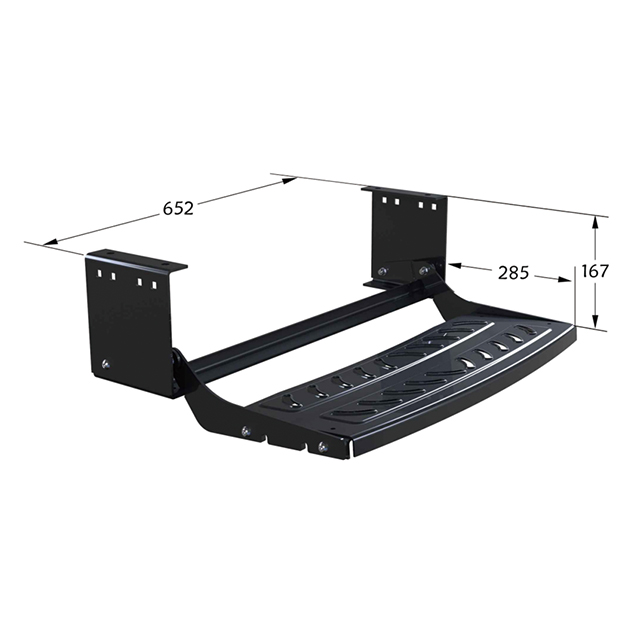
If your manual step isn’t folding or deploying smoothly, common causes include dirt buildup, rust, or misalignment of parts.
Solutions:
Clean the Step: Remove dirt or debris from the hinges and joints using a cloth. For tough buildup, use a mild cleaner and dry thoroughly.
Lubricate: Apply lubricant to moving parts, especially the hinges, to reduce friction and ensure smooth operation.
Realign: Check the step’s alignment. If necessary, loosen and readjust bolts, then retighten to restore proper positioning.
A wobbly step is often caused by loose bolts or improper installation, typically due to wear or vibrations.
Solutions:
Check Installation: Verify the step is securely mounted. Inspect bolts and brackets for tightness.
Tighten Fasteners: If loose, tighten bolts and brackets using the appropriate tools. Replace any worn fasteners.
The anti-slip surface can lose its grip over time due to wear or exposure to the elements.
Solutions:
Reapply or Replace Material: If the anti-slip surface is worn, clean and replace it with new anti-slip tape or material.
Maintain Grip: Clean the surface regularly to keep it in good condition and ensure it maintains its grip. For minor damage, patch it with new anti-slip strips.
Regular maintenance is crucial for ensuring the manual step remains secure and fully functional, greatly reducing the risk of accidents or injuries caused by faulty or unstable steps. By routinely inspecting for loose bolts, worn-out anti-slip surfaces, or misalignments, you can address potential issues before they become safety hazards. This proactive approach ensures your step provides stable, reliable support every time you use it, preventing unexpected failures that could result in trips, falls, or other accidents.
Taking care of your manual step through regular cleaning, lubrication, and inspections helps reduce wear and tear, which can prolong the life of the step. By addressing minor issues early on, such as rust, dirt buildup, or misalignment, you can prevent them from escalating into larger problems. As a result, the step remains durable over time, reducing the need for costly repairs or premature replacements. This proactive maintenance ensures you get the most out of your investment, providing long-term value.
Maintaining your manual step ensures smooth, trouble-free operation, making it easier and more convenient to use every day. When well-maintained, the step will deploy and fold effortlessly, offering consistent performance when you need it. Regular upkeep, such as cleaning the moving parts and checking the anti-slip surfaces, guarantees that the step remains effective and comfortable to use. By preventing any operational difficulties, you ensure that the step is always ready for use, whether it’s for quick access to your RV, camper, or vehicle, making your experience more convenient and hassle-free.
It’s recommended to inspect your manual step at least once a month, especially before each trip or when you plan to use it regularly. During the inspection, check for any loose bolts, rust, dirt buildup, or wear on the anti-slip surfaces. By addressing minor issues early, you can prevent major problems down the line and ensure the step remains safe and functional.
Yes, manual steps are generally compatible with most vehicles, including RVs, campers, trailers, and vans. However, installation may vary depending on the specific vehicle. Some vehicles may require custom brackets or adjustments to ensure proper fitment. Always follow the manufacturer’s guidelines for installation, and consider seeking professional help if the installation seems complicated or requires modifications.
If your manual step is difficult to fold or unfold, the most common causes are dirt buildup, misalignment, or lack of lubrication. Start by cleaning the folding mechanism and hinges to remove any debris or buildup. Apply a lubricant, such as silicone spray, to the moving parts to restore smooth operation. If misalignment is the issue, check that the step is securely mounted and properly aligned, making any necessary adjustments.
To prevent corrosion, especially in areas exposed to moisture or harsh weather, regularly apply a rust-resistant coating to the metal parts of the step. You can use protective sprays or paints specifically designed for metal surfaces. Additionally, storing your vehicle in a sheltered place, like a garage or under a cover, can minimize exposure to rain, snow, and humidity, further reducing the risk of corrosion.
In conclusion, the proper installation and regular maintenance of your manual step are essential to ensure it remains functional, safe, and durable over time. A well-installed step enhances accessibility and convenience, while routine checks and care help prevent potential issues such as wear and tear, rust, or instability. By staying proactive with maintenance, you not only extend the lifespan of your manual step but also ensure that your RV, camper, or vehicle continues to provide safe, easy access for years to come. Regular upkeep helps avoid unexpected problems, improving your overall experience and making every journey smoother.


